
September 13, 2026 · 3 min read
In suburban real estate, physical structures inevitably age, architectural fashions drift, and interior aesthetics turn over with each passing decade. What remains remarkably consistent, however, is the structural relationship between residential stability and high-performing public school corridors. In western Union County, this dynamic is not merely an auxiliary consideration; it is the fundamental foundation of residential desirability.
For homeowners in Highgate, located along the tranquil boundary between Weddington and Waxhaw, the presence of the Weddington and Marvin Ridge educational corridors provides an enduring anchor. To understand why this particular stretch of southwestern North Carolina commands such continuous demand, one must look past raw statistics and examine the deeper civic and cultural mechanisms that give this educational corridor its lasting resilience.
The Geography of Western Union County
The western pocket of Union County occupies a distinctive niche within the greater Charlotte metropolitan area. Rather than yielding to the rapid, uniform densification common to many emerging suburban submarkets, Weddington and northern Waxhaw have largely preserved low-density land-use plans. This municipal restraint has had a profound, stabilizing effect on local school campuses.
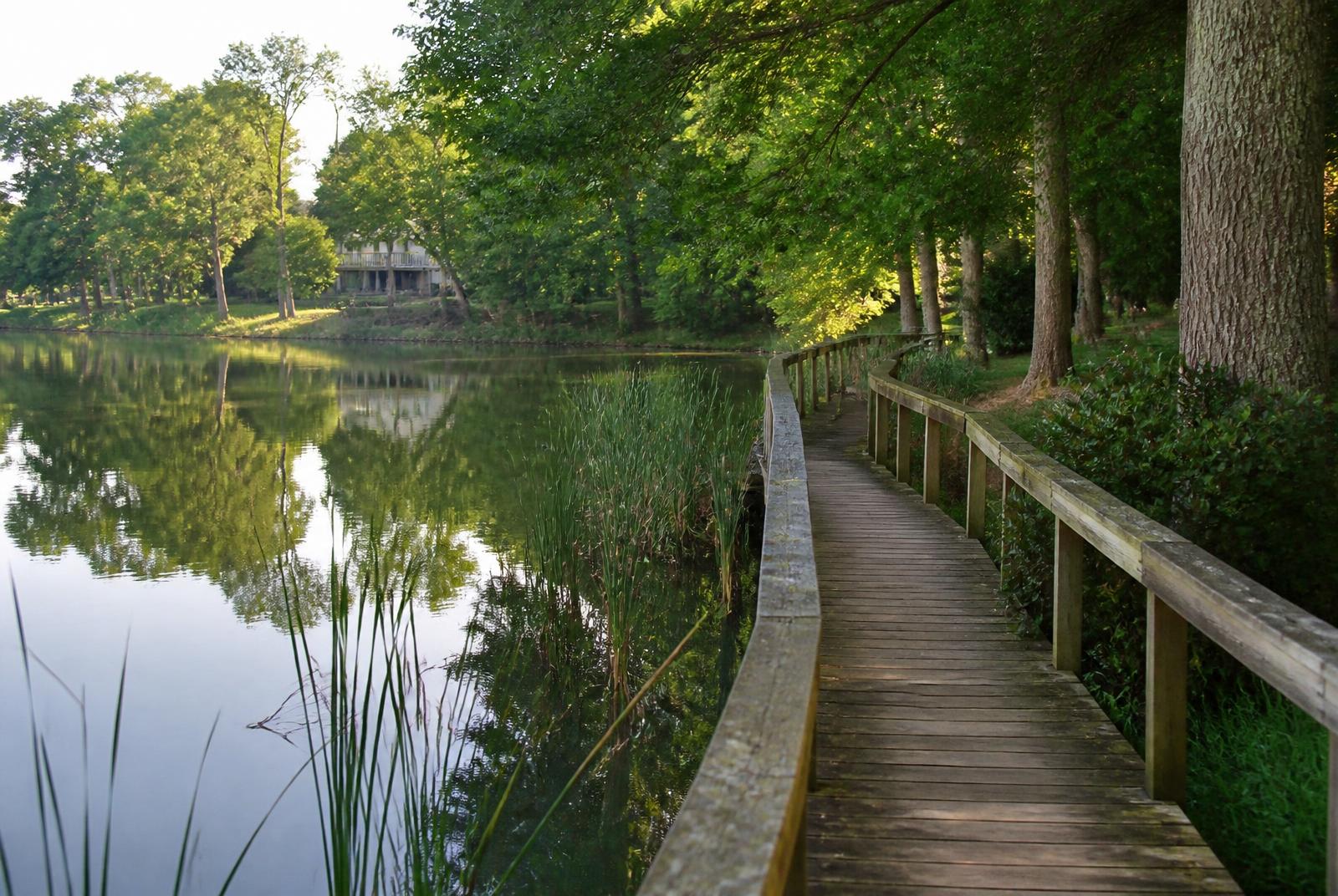
Neighborhoods like Highgate—comprising roughly two hundred custom homes situated on mature, wooded lots—sit directly within the sphere of influence of these respected institutions. When families evaluate the local public school framework, they are often observing a dual-corridor ecosystem. Both the Weddington and Marvin Ridge clusters have developed reputations founded on consistent parent participation, sustained teacher retention, and deep multi-generational investment. Because municipal zoning restricts runaway residential density, these campuses have avoided the jarring swings in capacity and redistricting volatility that frequently destabilize school districts in faster-growing suburban rings.
Academic Corridors as Catalysts for Capital Preservation
In market terms, an exceptional educational corridor functions primarily as a risk mitigant. During periods of broader economic expansion, homes tethered to top-tier campuses experience steady appreciation. More importantly, during periods of economic contraction or higher interest rate environments, these locations historically exhibit superior liquidity and price defense.
There are several distinct reasons for this durability:
- Long-Horizon Occupancy: Buyers purchasing homes along the Weddington corridor typically plan for multi-phase residency. Rather than treating an estate home as a short-term stepping stone, households often commit to a ten-to-fifteen-year horizon to shepherd children from primary grades through graduation. This extended tenure naturally suppresses speculative turnover and fosters lower churn within the neighborhood.
- Broadening the Buyer Base: When a property in Highgate eventually enters the resale market, the pool of potential purchasers is never limited strictly to empty-nesters or regional transplants. The address inherently commands attention from local families trading up specifically to secure long-term public school access.
- Shielding from Overdevelopment: The structural discipline of the surrounding school districts aligns with Union County's broader conservation mindset, safeguarding the pastoral buffer that draws residents to the area in the first place.
For those navigating a family relocation to the Charlotte region, this combination of acreage and institutional reliability represents a rare balance that few adjacent submarkets can replicate.
Schools as Civic and Community Anchors
Beyond academic metrics, the Weddington and Marvin Ridge schools function as the civic epicenters of western Union County. In areas that lack dense commercial downtowns or municipal urban centers, community life naturally gravitates toward school auditoriums, athletic fields, and campus events.
This civic centrality reinforces the neighborhood fabric of Highgate itself. The quiet streets, established tree canopy, and understated streetscapes reflect a collective priority: quiet domestic privacy balanced with active participation in local youth athletics, fine arts programs, and parent volunteer organizations. The everyday lifestyle and daily rhythms of Highgate residents are inextricably tied to the rhythms of the academic calendar, creating organic social connections among neighbors that might otherwise take decades to establish.
The Long-Term Outlook
Real estate markets inevitably experience cyclical adjustments, but geographic and institutional fundamentals tend to outlast temporary macroeconomic shifts. Land within western Union County is finite, particularly large-lot parcels governed by thoughtful conservation and custom-build standards. The demand for homes zoned for the Weddington and Marvin Ridge corridors consistently outpaces the rate of available new construction.
For Highgate, this ongoing supply-and-demand imbalance acts as an invisible safeguard. The neighborhood does not rely on transient commercial developments or commercial retail proximity to justify its prominence. Instead, its position remains fortified by custom residential craft, genuine neighborhood character, and an educational corridor that continues to set the benchmark for public schooling in the Carolinas.